
 Iranian blogger Hossein Derakhshan was sent to prison in 2008 for what he had written and advocated for online. When he was released in 2014, the internet had greatly changed:
There’s a story in the Qur’an that I thought about a lot during my first eight months in solitary confinement. In it, a group of persecuted Christians find refuge in a cave. They, and a dog they have with them, fall into a deep sleep and wake up under the impression that they have taken a nap: in fact, it’s 300 years later. One version of the story tells of how one of them goes out to buy food – and I can only imagine how hungry they must have been after 300 years – and discovers that his money is obsolete now, a museum item. That’s when he realises how long they have been absent.
The hyperlink was my currency six years ago. It represented the open, interconnected spirit of the world wide web – a vision that started with its inventor, Tim Berners-Lee. The hyperlink was a way to abandon centralisation – all the links, lines and hierarchies – and replace them with something more distributed, a system of nodes and networks. Since I got out of jail, though, I’ve realised how much the hyperlink has been devalued, almost made obsolete.
The piece is full of pull quotes, so read the whole thing. How little we notice just how much social media sites and our use of them has changed is a tribute to the ingenuity of engineers in Silicon Valley. They think about this stuff all the time, so we don’t have to! But the punchline is… we do have to. Derakshan’s perspective is a stark reminder of just how limited the use of social media has made our world – all beneath the aegis of connecting, sharing and informing. Frogs eventually do notice the water boiling. It’s crucial to set the irony aside, and reset the way online convenience has conditioned us already.
There’s a resolution. Happy 2016.
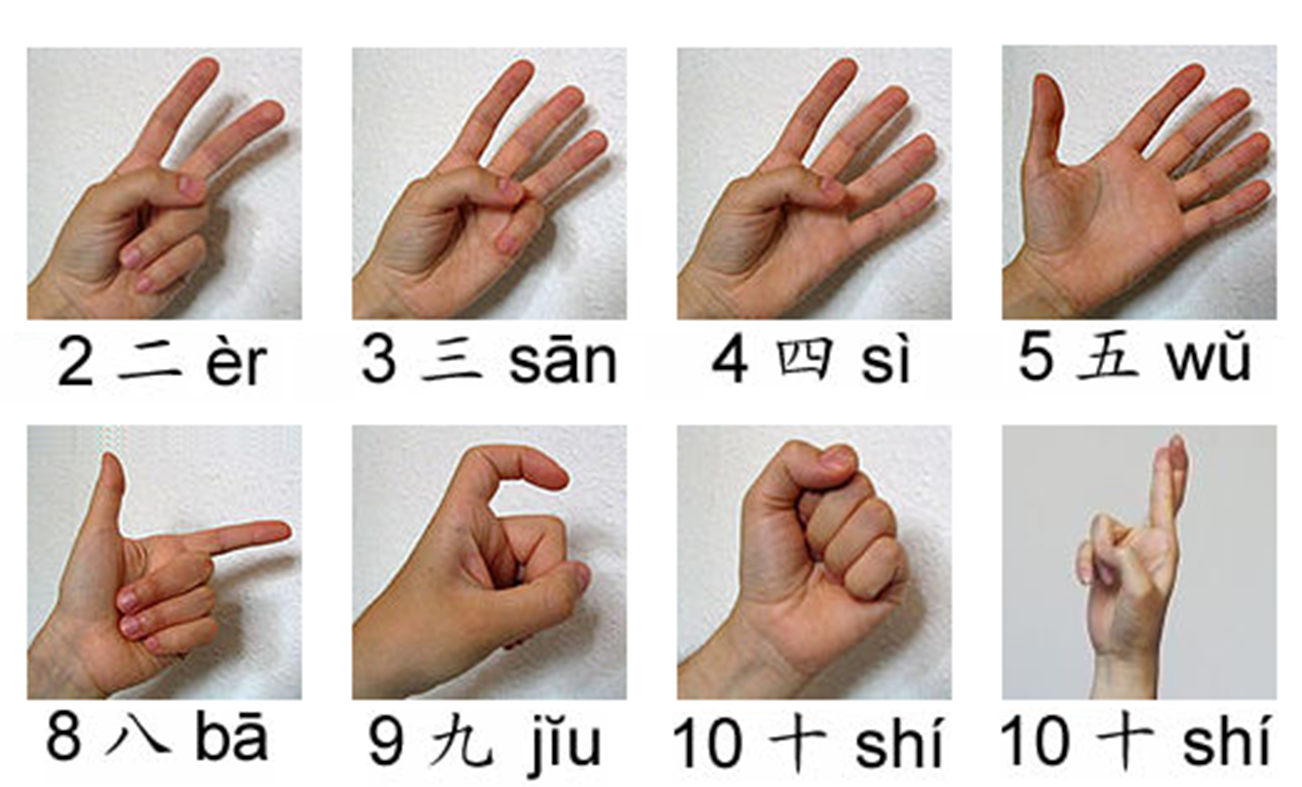
Image: Count on your hands in Chinese






 Artificial intelligence sits at the extreme end of machine learning, which sees people create software that can learn about the world. Google has been one of the biggest corporate sponsors of AI, and has invested heavily in it for videos, speech, translation and, recently, search.