 Congratulations to Richard Thaler on his 2017 Nobel Prize in Economics. The professor took some hardly veiled shots at the Preznit, but also offered some “gee, I just can’t figure it” about the stock market:
“His ratio of certitude to knowledge is nearing record highs,” Thaler said on Bloomberg Radio with Tom Keene and David Gura. “We all need a lot of humility, and especially about the economy.”
Thaler also expressed surprise that the stock market is returning good performance with few disruptions during what he sees as uncertain political times. Congress is grappling with a tax reform proposal, but infighting among Republicans has called into question whether a package will ultimately pass.“Who would have thunk that the stock market would just continue to go up” during “what has to be the most uncertain times of my lifetime,” Thaler said. “Surely it can’t be based on the certitude that there will be a massive tax cut, given the seeming inability of the Republican Congress to get their act together. So I don’t know where it’s coming from.”
Well, who knows? If you read PK, he seems clear headed about it, if full of Robert Hughes allusions. But how about this: Maybe the indices keep going up, despite the uncertainty and turmoil, because as a set of money-making wagers, they actually feed on that level of chaos. Maybe as a ruse, or cover, for the Ponzi nature of the games being plied and played. The ‘it’s all so complex and confusing, who knows how it works’ absolutely accrues to the benefit of some. See the bankster/fraudsters of 2008 and how they have ascended to far more dizzying heights in the time since, and the extent to which questions about all this convenient success equal nothing more than conspiracy theories. They don’t even bother with calling people Commies anymore.
Quite a trick.
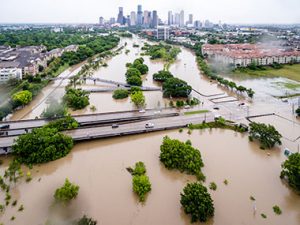 Include our brains. This report about Houston from last year outlines how unchecked development remains a priority in the famously un-zoned city, creating short-term economic gains for some while
 In early September 2008, I drove down to Charleston to visit a cousin who had recently suffered a terrible accident. Throughout the drive I listened to extended public radio reports on an evolving calamity: the collapse of Lehman Brothers financial services firm. The horror that the government was going to allow such a large firm to go under was decorated with the baroque gadgetry of terms that would become more familiar in the coming years: credit default swaps, subprime mortgage lending, tranches, CDOs. The gore and detail of the cover that had been constructed around scams and fraud at the broadest level was audible in the voices of interviewers and guests. There was a tinge of disbelief within their attempts to explain what these terms meant and how they had gotten us all (!) into so much peril. It was as close to 1929 as we had come and potentially far worse – so extensively had the giant vampire squid of financial engineering welded its tentacles to every sector. Housing, banking, investing, construction, debt, bonds… this is business America now, and every other activity is vulnerable to its caprice. It was the stretch run of a presidential election as well; one candidate tried to suspend the campaign, the other fortunately tried to hold things together.
 “That’s right, Robin.”
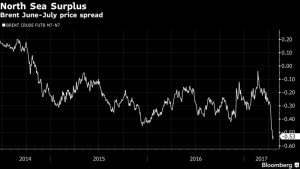 We wish they were more rare. But just as rising wages are bad news for business(?) and solar most horribly spells doom for coal, word in the oil game is that consistent catastrophes are needed