Accident of persons

The low-carbon future of building materials and the revival of building with stone led me back to now by going through then. Then is, of course, the firmament of Nietzsche:

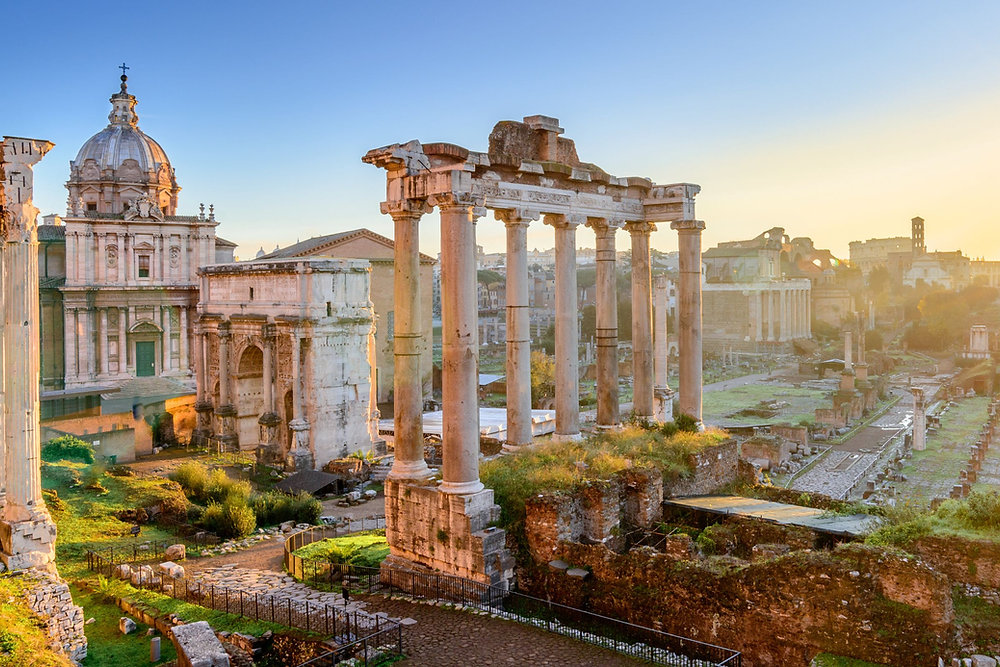
The Imperium Romanum which we know, which the history of the Roman province teaches us to know better and better, this most admirable of al works of art in grand style, was a beginning, its structure was calculated to prove itself by millennia – to this day there has never been such building, to build in such a manner sub specie aerterni has never been so much as dreamed of! – This organization was firm enough to endure bad emperors: the accident of persons must have no effect on such things – first principle of all grand architecture. But it was not firm enough to endure the corruptest form of corruption…

To our now, and the beginning of a magnificent awakening for which all must limber for increased heavy lifting. Among those unable and unfit for limbering is the one most rebuked in the voices made heard. He spent the Blue Wednesday leading reporters around the construction site of the monument to his incompetence commitment to the bit:

“Watch the beam go up,” he said as he walked away to another point inside the construction site. He then pointed at the ceiling, and said to no one in particular, “now envision chandeliers.”

I wish one of the credulous would ask him what kind of leaves are represented in the Corinthian columns he so adores. But make no mistake: ignoring the electoral failure as if nothing happened in favor of concern for lighting fixtures and split pediments is straight fash. Complete contempt for reality.

Image: Imperial Forum

Mulch Countertops

I’ve got a good friend who just got her LEED certification and this article on green building made me think not just of her, for which no prompting is necessary, but the career she hopes to build with this new credential.

“I don’t care what your countertop is made out of” reflects Worner’s conclusion about what building features are most important. If climate change is the biggest environmental threat to human welfare, then reducing energy use is the most important goal of green building—by far. This is the consensus view among green building experts (for a good explanation of the energy-trumps-everything argument, see Auden Schendler’s book Getting Green Done). A countertop made of recycled paper is nice, but a highly efficient furnace is going to pay much higher environmental (not to mention financial) dividends over the years.  If homeowners can cut energy use, Worner figures, they don’t have to sweat every small thing.

which is a rilly, rilly great point. So much of greening your home seems so intimidating – like you’ve got to construct this air-tight box with all the latest materials out of your sixty-plus year-old bungalow – that people can just say, “eh, what’s the use.” Way more useful to see things in context and decide what’s most important.

On a related point, I’ve been scouting urban rentals for a undisclosed location summer get-a-way and it’s strange what looking a lot of smallish interior spaces – as though you have to judge between them based on some very clear criteria other than, “oh, that’s nice” – does to you. It’s weird. Small little urban spaces are cool for any number of reasons, but I realize what’s more important to me than the furnished decor by the way I always look at google map of it’s location before taking the photo tour of the apartment – these apartment sites are sooo sophisticated nowadays. But I want to see the closest subways and parks, and of course, how far it is from the Kayser.