It doesn’t matter how one feels* about AI as a technological problem. It is much more of a financial problem, a threat similar to others that preceded it but special in its own special way. Purveyors already know the limits of the technology but dangle the potential profits as unlimited.
Because all the convenient confusion can be difficult to parse, a cultural interpretation of the crisis requires urgent attention. And thanks to Short Attention Span Theater – the single, unwavering truism threading society together – it needs to be brief and concise. Enter The Great Crash, 1929 by John Kenneth Galbraith into evidence:
…there is deep faith in the power of incantation. When the market fell many Wall Street citizens immediately sensed the real danger, which was that income and employment – prosperity in general – would be adversely affected. This had to be prevented. Preventive incantation required that as many important people as possible repeat as firmly as they could that it wouldn’t happen. This they did. They explained how the stock market was merely the froth and that the real substance of economic life rested in production , employment, and spending, all of which would remain unaffected. No one knew for sure this was so. As an instrument of economic policy, incantation does not permit of minor doubts or scruples.
To the mighty extent that AI hype runs riot, our savvy age turns the power of incantation into cynicism verging on a new art form. Machine learning is so deeply ingrained into every sector that it simply must work and cannot fail, to coin a phrase. It must be powerful if important people are warning that it might take over.
Meanwhile, circularity: Tech giants investing in each other’s AI products and projects, driving valuation and demand for power, water, chips, and data centers, and inflating the perception of market consensus. We love the miasma of mortgage-backed securities in the morning.
Circularity > singularity.
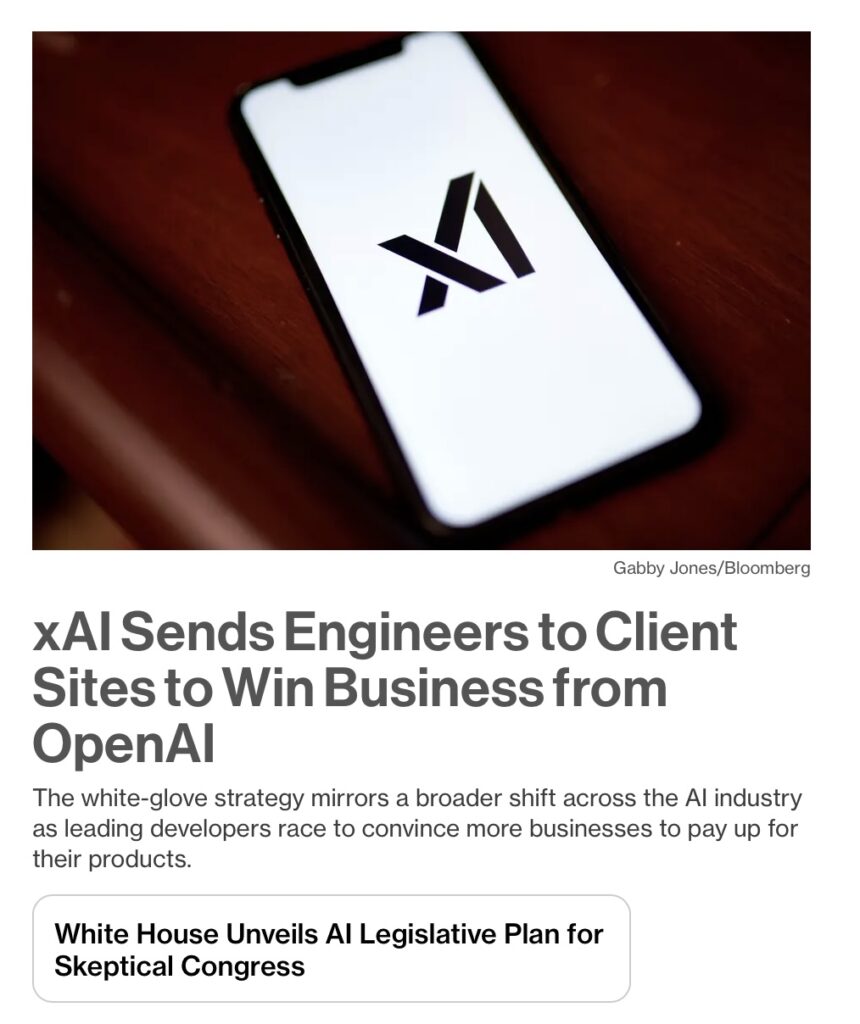
Image: Screenshot from Bloomberg March 20, 2026