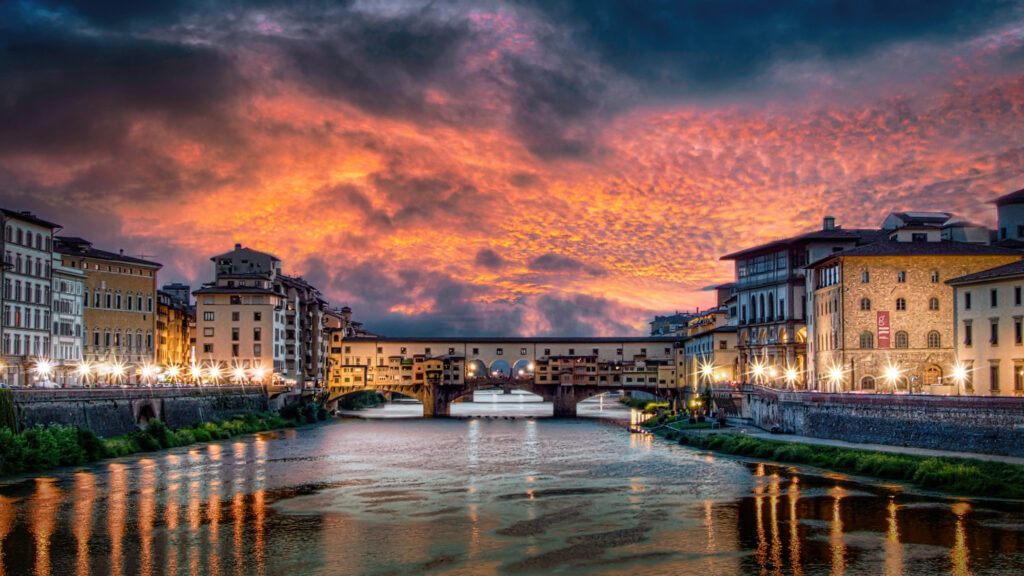
The metaphor that is also a method of crossing a divide, transporting the physical from one state to the next. Once side to the next – across the Arno, over the Hudson, spanning the Seine, connecting Brooklyn to Manhattan.
How many do you recall by name? Some for their beauty, others merely wondrous, the metaphor as well as the physical transference also apply to technology. The way we move improves, the power sources change, because they are forced to; we choose the worst methods first, to soothe our primitive ease, pressure and ideas allow conveyance to get better. Then a Roebling appears. Several Roeblings, a Strauss, and maybe an Eiffel.*
Lithium-ion batteries are the default chemistry used in EVs, personal devices, and even stationary storage systems on the grid today. But in a tough environment in some markets like the US, there’s a growing interest in cheaper alternatives. Automakers right now largely care just about batteries’ cost, regardless of performance improvements, says Kara Rodby, a technical principal at Volta Energy Technologies, a venture capital firm that focuses on energy storage technology.
Sodium-ion cells have long been held up as a potentially less expensive alternative to lithium. The batteries are limited in their energy density, so they deliver a shorter range than lithium-ion. But sodium is also more abundant, so they could be cheaper.
Lithium-ion batteries have crowded out competitors like sodium-ion, but even these represent only the tip of the spear of the battery iceberg. There are a few others, a list that will expand and contract as ultimately the tech chases simpler as price, ease, waste, and availability dictate a new race to the other side.
New battery chemistry already feeds a breeding ground for competitors. The bridge builders are all over, chasing opportunity like the oilmen and the 49ers before them. No one will be accused of excessive optimism at the current moment. However, the fossil fuel-powered economy is living up to its name – a wonder of reverse marketing – done and dusted, as we scatter ourselves across the several states of realizing it. Nothing about it is salvageable. I trust that’s not our calling card.
It’s the meanwhile that deserves attention. The bridge can’t get built while you’re standing on it – and then you notice you’re suspended out over thin air, just as we’ve always been.
* I’m endeared of the story, perhaps apocryphal, that as the Tour rose of Paris in the late 1880s, the artists of the time considered it as sign marking the end of civilization, perhaps the world.