
Of fulcrums and chasms

Given the very sleepy lead into 2025, despite the alarms blaring full bore, headwinds for clean energy seem to have roared to the forefront this year.

Tax credits expiring. Wind projects shelved or cancelled, often for extraordinarily petty reasons certainly consistent with the personality of leadership. Domestic US EV sales dipping.

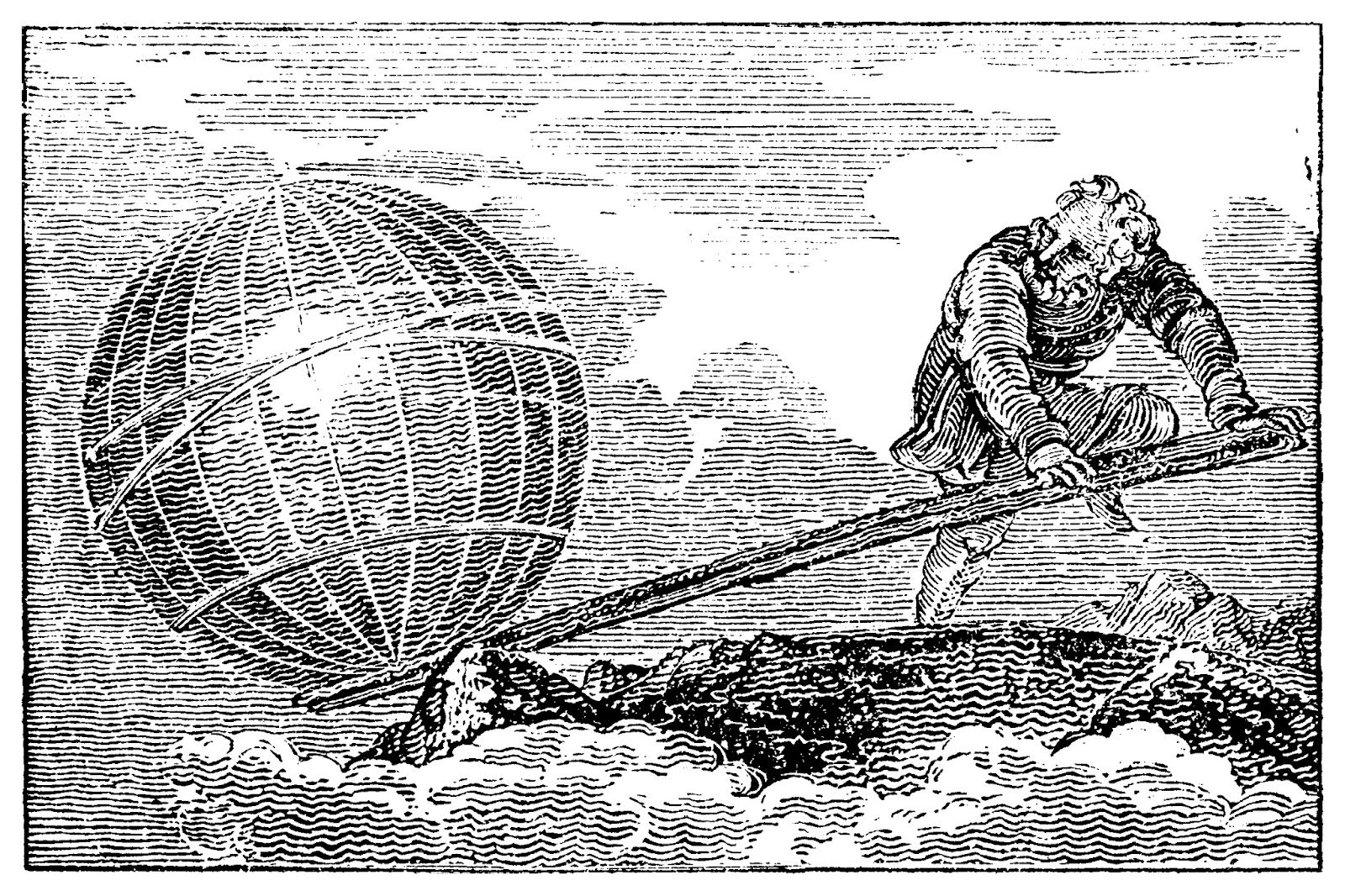
Despite the pettiness and short-sighted backwards-facing outlook, a cultural shift has been been leveraged into place. The ancient kind of leverage – with a rock and an iron bar:

“…as of the last three or four years, we finally have a tool, not at this point to stop global warming — it’s too late for that — but perhaps to at least shave some tenths of a degree off how hot the planet gets. And that tool is cheap energy from the sun and the wind and the batteries to store that power when the sun goes down or the wind drops. Alternative energy is the commonsense, obvious, straightforward way to make power on this planet, which is why 95 percent of new generating capacity around planet Earth last year came from these clean sources.

The authoritarian mindset –  which eschews progress on meaningful rights and resources for all in exchange for illusory safety from outside foes and forces – has always protected fossil fuel production by forgiving its destructive effects on people and planet in return for cheap energy. Another instant where the meaning of words carelessly cast aside returns for payment, with interest.

And now, that mindset is suspended over a chasm: destructive effects of global warming, coupled with cheap, clean energy increasingly available everywhere. Incompetent/compromised [let’s be honest] government is a distinct disadvantage. Can capitalism be saved?

Be neither depressed nor overly sanguine, as these were never the options. Instead, mock the laggards incessantly, especially your own. If you don’t know or feel unsure, find out. Use everything you have, make things. Row into the currents. Turn the beat around.

Image via

What Exxon Knew

Consider the names we’ve had for it already: the greenhouse effect. Global warming, and it’s corollary, AGW. Climate change. Treating a planet warming from CO2 like a parlor game, and especially by using the tobacco industry, to see how long we can maintain our ignorance up to and even about whether anything can be done about it takes special effort. And Exxon has had their best people on it since the 70’s:

There’s a sense, of course, in which one already assumed that this was the case. Everyone who’s been paying attention has known about climate change for decades now. But it turns out Exxon didn’t just “know” about climate change: it conducted some of the original research. In the nineteen-seventies and eighties, the company employed top scientists who worked side by side with university researchers and the Department of Energy, even outfitting one of the company’s tankers with special sensors and sending it on a cruise to gather CO2 readings over the ocean. By 1977, an Exxon senior scientist named James Black was, according to his own notes, able to tell the company’s management committee that there was “general scientific agreement” that what was then called the greenhouse effect was most likely caused by man-made CO2; a year later, speaking to an even wider audience inside the company, he said that research indicated that if we doubled the amount of carbon dioxide in the planet’s atmosphere, we would increase temperatures two to three degrees Celsius. That’s just about where the scientific consensus lies to this day. “Present thinking,” Black wrote in summary, “holds that man has a time window of five to ten years before the need for hard decisions regarding changes in energy strategies might become critical.”

Those numbers were about right, too. It was precisely ten years later—after a decade in which Exxon scientists continued to do systematic climate research that showed, as one internal report put it, that stopping “global warming would require major reductions in fossil fuel combustion”—that NASA scientist James Hansen took climate change to the broader public, telling a congressional hearing, in June of 1988, that the planet was already warming. And how did Exxon respond? By saying that its own independent research supported Hansen’s findings? By changing the company’s focus to renewable technology?

That didn’t happen. Exxon responded, instead, by helping to set up or fund extreme climate-denial campaigns.

It’s not enough to know this, nor to merely compare it to the efforts of Big Tobacco. It will require a systematic dismantling of Big Oil because as presently organized, only it will decide when or if anything is to be done. Listen to the presidential candidates on the right. Big Oil’s work has been done and done well. The best tactic – accuse your opponents of what you yourself have been doing – remains operable. The charge that scientists support climate science because it brings in big grant money is not only laughable in terms of the profits realized by research scientists in the energy companies employ, not to mention by candidates for higher office.coalcan2

As much as they blame other forces, it is rapacious capitalists that threaten capitalism, though the misery is amplified by the fact that so many canaries will have to be tried and executed before we understand how dangerous the mine is.

Via Erik at LGM.

Hoaxes and Jokeses

The Mercatus Center at George Mason University informs us on such burning issues (though not burning itself) as:

The case for across-the-board spending cuts

The employments costs of regulation, and relatedly

The failure of risk-based capital regulation, and

The U.S. drops in global competitiveness

… The Mercatus Center at George Mason University: the world’s premier university source for market-oriented ideas—bridging the gap between academic ideas and real-world problems.

And how.

Birth of a Myth

Leo Hickman in the Guardian explains how climate deniers roll:

Such is the viral nature of information flow on the internet, we can sometimes see myths and memes developing before our very eyes. Just such an example has occurred over recent days with the rather irresistible news that windfarms can “increase climate change“.

The article that really gave this idea a push online was published on Sunday evening on the Daily Mail’s website. It was delivered with the headline: “Wind farms can actually INCREASE climate change by raising temperatures and causing downpours, warn academics.

Somewhat predictably, that headline quickly attracted attention and was being disseminated with particular gusto on climate sceptic sites such as Climate Depot and JunkScience. The news was also reported on Dallasblog.com (“Wind Farms Cause Global Warming, some Scientists say”)

This is all of a piece with Krugman’s dictum, but there’s even more here, how a scientist’s research gets re-purposed, as they say. It’s stupid, really – giant wind farms can alter the weather. But the deniers don’t care about the stupid if it smells like proof; add the possibility of fantastic headlines and presto: a meme is born.

via LGM.