Just returned from a sojourn to Silicon Valley where you can be party to many conversations about or tangential to Artificial Everything, or you can just party. Both of these I will mark as complete.
The biggest flaw thus far in the advent of AE is not chat-bot psychosis, though sufferers should seek medical attention (this is not investment advice), but local resistance to data center construction. Although, it seems that Utah did not receive the memo:
A plan to create one of the world’s largest datacenters, a gargantuan project spanning an area more than twice the size of Manhattan, has provoked a furious public backlash in Utah amid concerns over its vast energy use and impact upon the state’s stressed water supplies.
The Stratos artificial intelligence datacenter footprint will cover more than 40,000 acres (62 sq miles) over three sites in Box Elder county in north-western Utah. The facility will require about 9GW of power, which is more than the entire state of Utah currently consumes, and suck up a significant amount of water in an area that has been hit by severe drought in recent years.
Last week, the project was approved by the county’s commissioners, despite thousands of objections lodged by Utah residents. Environmentalists have warned that Stratos could imperil the Great Salt Lake ecosystem, including a critical migratory bird habitat, which is already under severe stress.
Pretty sure that on my way out to SV, we flew over this area or nearish-by. I can attest that from my window seat (not engineering advice) there is sufficient spatial accommodation for this project. But as the fine people of the area point out with their signs and yelling, there does not seem to be sufficient anything else.
Sacrificing water and energy that a state does not have at a scale that it does, will not a data center make. You can siphon a watershed for ‘other purposes’ but not without hastening a collapse of the ecosystem and all that it temporarily supports.
The numbers of people who pushed back on this plan to no avail is at least worth noting.
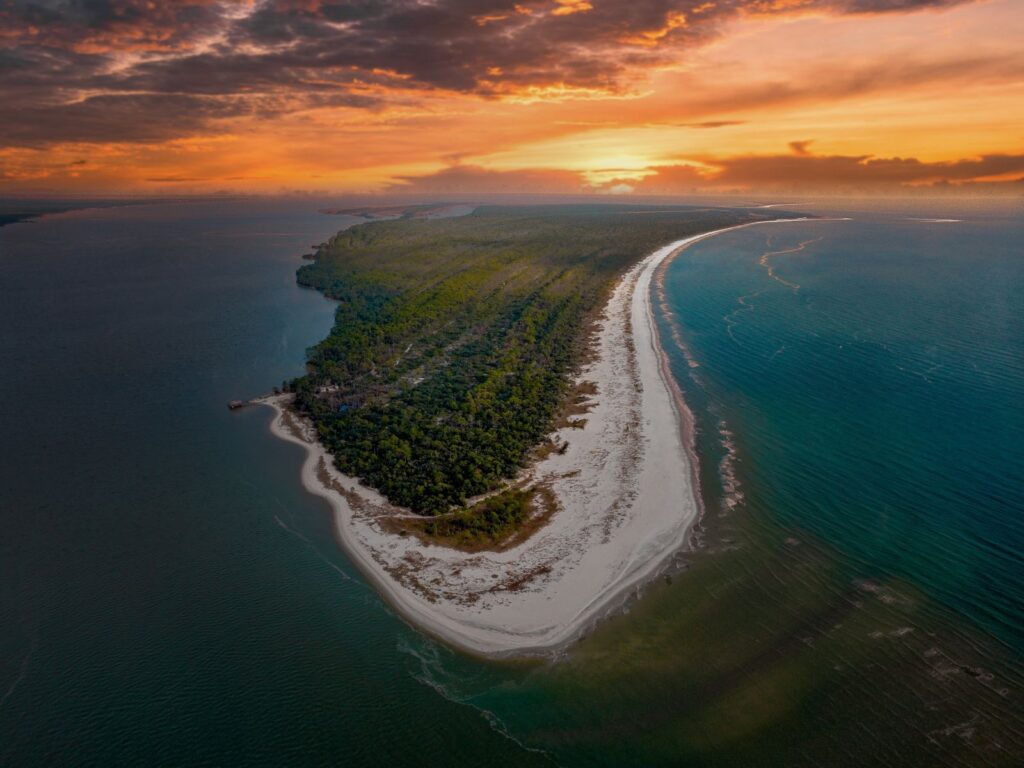
Image: Cumberland Island, for context of scale, about the same size as Manhattan but with 6 million less people.