Data States

Just returned from a sojourn to Silicon Valley where you can be party to many conversations about or tangential to Artificial Everything, or you can just party. Both of these I will mark as complete.

The biggest flaw thus far in the advent of AE is not chat-bot psychosis, though sufferers should seek medical attention (this is not investment advice), but local resistance to data center construction. Although, it seems that Utah did not receive the memo:

A plan to create one of the world’s largest datacenters, a gargantuan project spanning an area more than twice the size of Manhattan, has provoked a furious public backlash in Utah amid concerns over its vast energy use and impact upon the state’s stressed water supplies.

The Stratos artificial intelligence datacenter footprint will cover more than 40,000 acres (62 sq miles) over three sites in Box Elder county in north-western Utah. The facility will require about 9GW of power, which is more than the entire state of Utah currently consumes, and suck up a significant amount of water in an area that has been hit by severe drought in recent years.

Last week, the project was approved by the county’s commissioners, despite thousands of objections lodged by Utah residents. Environmentalists have warned that Stratos could imperil the Great Salt Lake ecosystem, including a critical migratory bird habitat, which is already under severe stress.

Pretty sure that on my way out to SV, we flew over this area or nearish-by. I can attest that from my window seat (not engineering advice) there is sufficient spatial accommodation for this project. But as the fine people of the area point out with their signs and yelling, there does not seem to be sufficient anything else.

Sacrificing water and energy that a state does not have at a scale that it does, will not a data center make. You can siphon a watershed for ‘other purposes’ but not without hastening a collapse of the ecosystem and all that it temporarily supports.

The numbers of people who pushed back on this plan to no avail is at least worth noting.

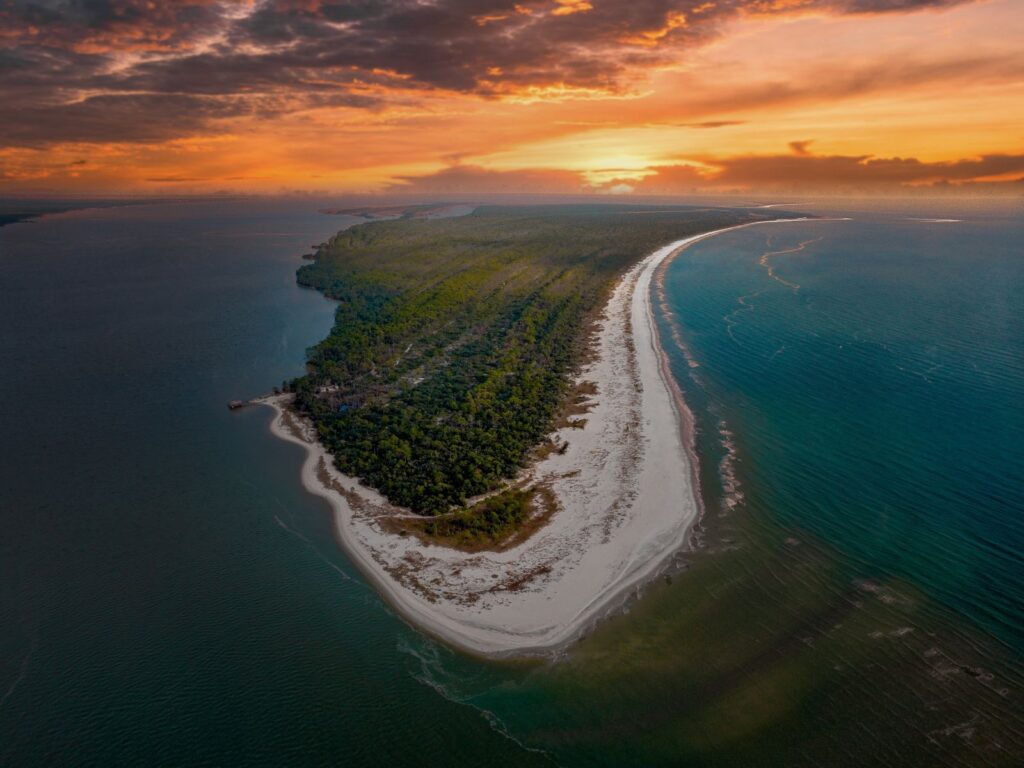
Image: Cumberland Island, for context of scale, about the same size as Manhattan but with 6 million less people.

Being Cool about Warming

The whole idea that some morning arrives when everyone sees the light on climate change is all very… hopeful, especially as we harbor so much know-nothingness in our midst, and ring it with the implicit honor of supporting various points of view when it should rather be ridiculed into the obscurity it more properly deserves. When Inhofe goes to Copenhagen and makes a complete jerk out of himself, will that be the last straw? Will his fellow countrymen (you know, us/them) finally have seen enough of such antics? The question is almost self-refuting. Here’s Krugman today:

But the larger reason we’re ignoring climate change is that Al Gore was right: This truth is just too inconvenient. Responding to climate change with the vigor that the threat deserves would not, contrary to legend, be devastating for the economy as a whole. But it would shuffle the economic deck, hurting some powerful vested interests even as it created new economic opportunities. And the industries of the past have armies of lobbyists in place right now; the industries of the future don’t.

Nor is it just a matter of vested interests. It’s also a matter of vested ideas. For three decades the dominant political ideology in America has extolled private enterprise and denigrated government, but climate change is a problem that can only be addressed through government action. And rather than concede the limits of their philosophy, many on the right have chosen to deny that the problem exists.

It’s a pity that we can’t just drift back into politics on this, and rely on the responsible parties within government to act sensibly, with an eye toward the future. But to do so is to redirect oneself toward the conundrum, to see this is actually where a great amount of the stupidity, cupidity and brazenness is coming from. Our politics allows this to be just another right/left food fight, and so there’s little to avail there – and a great number of Amur’cans do refuse to support anything endorsed by Al Gore. That’s just our dumbness coming through. We’ll have to wait until it shows up on our one actual and true radar – we’ll-believe-it-when-we-see-it-on-TV, in the cool, detached aura of advertising. Unless or until global warming becomes a pitch device for corporate advertising, the one true and knowing entity in our culture remains neutral on the subject. As long as that persists, we can be sure there’s no need to make a decision.

But here’s the thing: what if the big multi-nationals don’t really have our best, long term interests at heart? Is there any history of that? When will they let us know that climate change is real? What is the window of remove, of detachment, on an existential question?

Say it with me: savvy enough to break through the idiocy.